

Capitol Reef History
A Timeless Tapestry
From ancient civilizations to pioneer settlements, every layer of rock tells a story. Journey through the eras that have shaped this remarkable country and uncover the human legacy carved into its canyons.The Fremont & Ancestral Puebloans
The earliest chapters of human history in Capitol Reef Country were written on stone. For thousands of years, nomadic hunter-gatherers traversed these canyons. Later, the Fremont Culture, known for their distinctive rock art and pithouses, thrived here from approximately 300 to 1300 CE. Their petroglyphs, depicting human-like figures, animals, and abstract designs, remain as haunting reminders of their presence, most notably along the Fremont River. These early inhabitants were masters of adaptation, cultivating corn, beans, and squash in the fertile river valleys and storing their harvests in stone granaries tucked into high cliff faces. Their legacy is not just in the art they left behind, but in the story of human resilience in a challenging yet beautiful landscape.
Long before tourists were coming to enjoy the beauty and recreation available in the area, Capitol Reef and the rest of Wayne County was home to ancient tribes of people who established communities amid the protective canyon walls and winding rivers.
The Fremont People
The first known inhabitants of Capitol Reef Country were the Fremont People, who were related to the Ancestral Puebloans.They hunted and farmed this area of Utah around 700 AD. The Fremont centered their lives around the streams and lakes where fertile soil and resources could be found in abundance. They remained here until about 1250. Evidence of their time in Capitol Reef can be seen in the artistic depictions they left on large rocks and canyon walls throughout the park. See how many of these remarkable pieces of Capitol Reef history you can spot as you explore!
The Paiute Tribe
Around the years 1600 to 1800, the Paiute Tribe called Capitol Reef Country home. They may have remained longer, but were pressured to leave by the arrival of early pioneers, who began to set up establishments and develop the land, which had previously been uncharted.
The rock panels are a library of the ancient ones. Each figure tells a story, a prayer, or a map of their world.
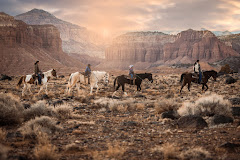

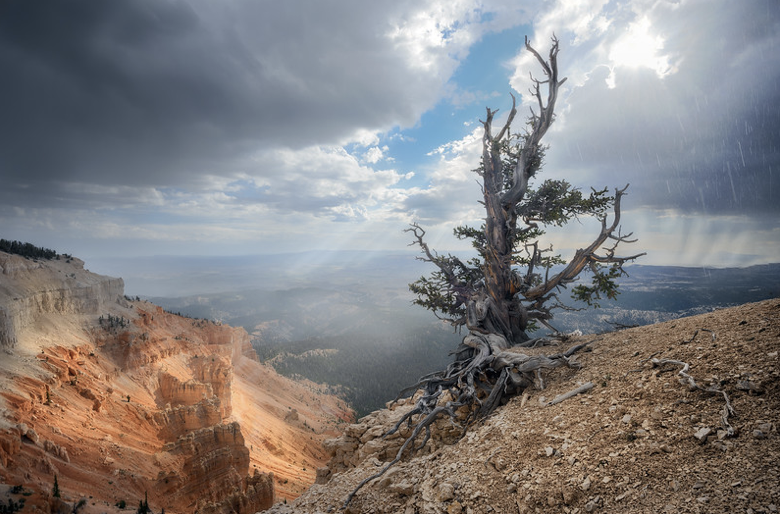
In the late 1870s, Mormon pioneers settled along the Fremont River, establishing a small community they named Junction, later renamed Fruita. Drawn by the perennial water source, they planted extensive orchards of apples, peaches, and pears.
Life was rugged and isolated, but the community thrived, building a one-room schoolhouse and relying on their agricultural ingenuity. Today, the historic Gifford Homestead and the fragrant orchards stand as a testament to their perseverance, offering a glimpse into a bygone era of frontier life.